AN ODYSSEY AMONG THE STARS WITH EARTH’S LAST HOPE

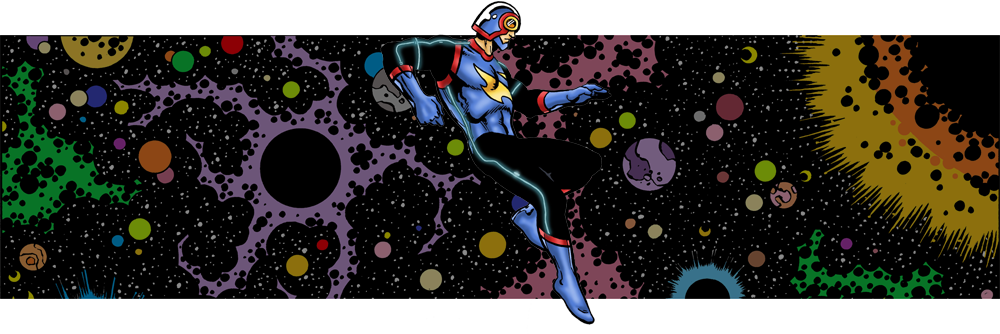
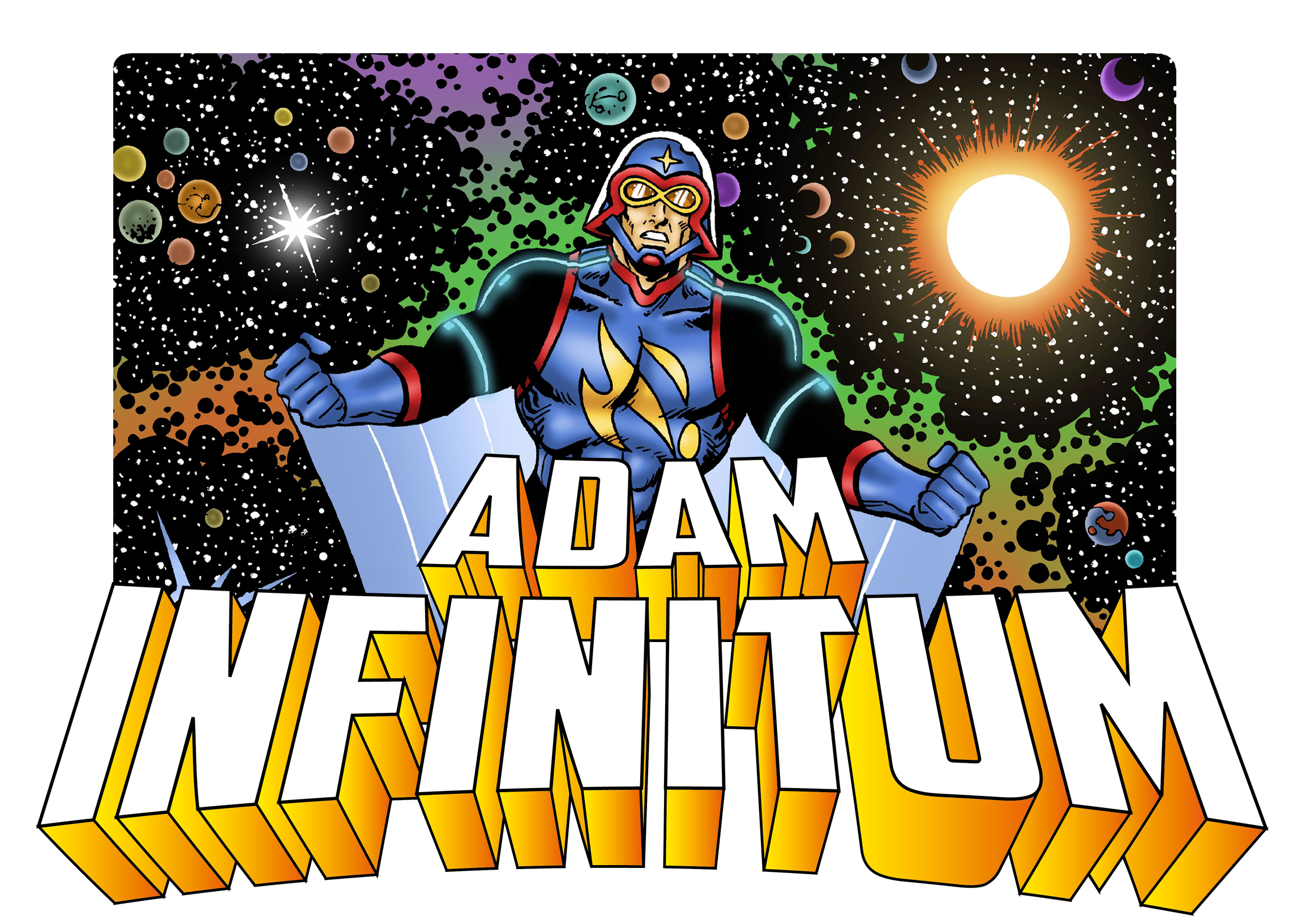
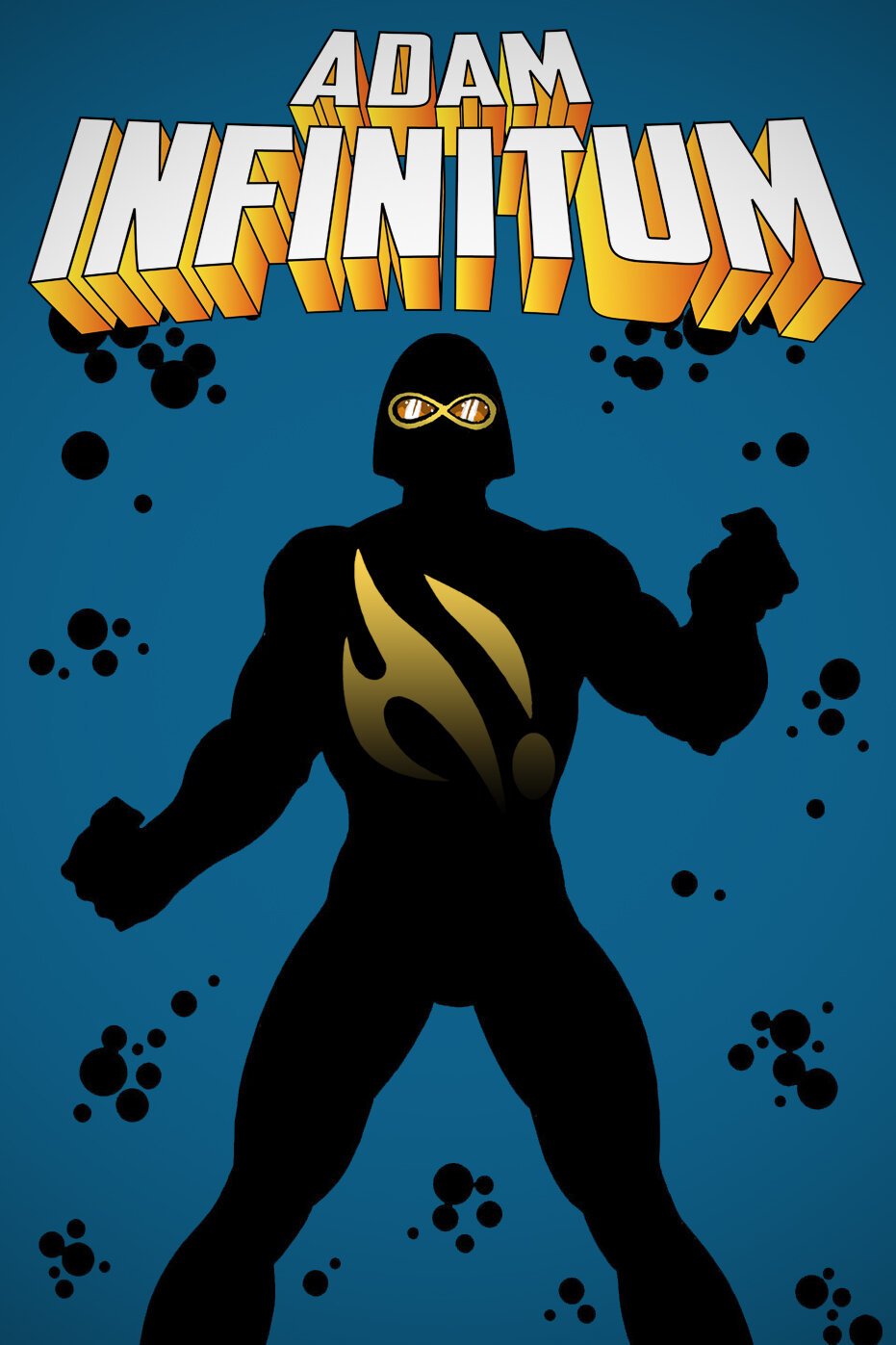
ADAM INFINITUM (based on the original comic book by Chris Malgrain) is a 1/2 hour animated series for adults (and their teenage kids) inspired by modern-day science and elevated science fiction.
LOGLINE:
As the world prepares for war over control of his light-speed technology, a controversial Jewish astrophysicist becomes marooned on the other side of the galaxy while his brilliant (but estranged) daughter embarks on a deep space odyssey to bring him home.


“There is no deeper source of meaning for human beings than to experience our own lives as reflecting the nature and origin of our universe ... Cosmology depends on artists to create imagery that bridges the incomprehensible gap between us and our 14 billion year old source.”
- Joel R.Primack and Nancy Ellen Abrams, The View from the Center of the Universe
Although a heightened reality, the Earth of Adam Infinitum serves as subversive allegory for our modern age. At a time in history when humanity faces existential threats that are universal (climate change, viral disease, tribalism, nuclear annihilation, runaway artificial intelligence), science is the closest consensus the modern world has.
Adam’s odyssey through the galaxy, though science fiction, has the potential to expose viewers to a vast and rigorously science-based understanding of their shared connection to the Cosmos while intimately examining the very human journey of one man — a man who, until now, never had the opportunity to self-actualize.
“What our society most desperately needs is a new story of reality for all of us – one that demonstrates a connection to all there is, yet be consistent with all we know scientifically.”
- Joseph Campbell

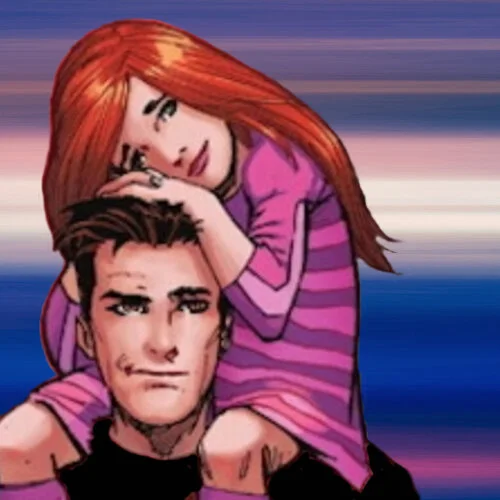
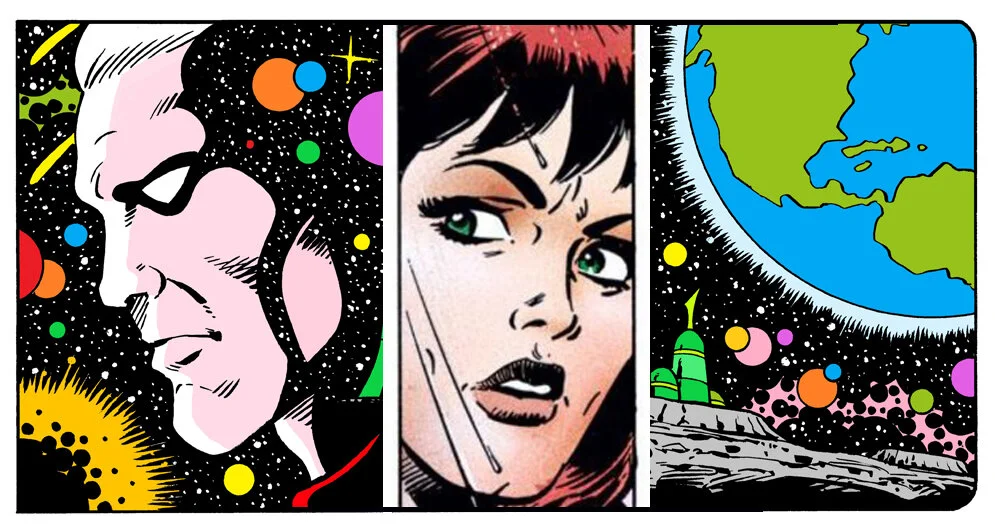
Adam and Samantha
The show is targeted at kids 13+ and their Gen X / Gen Y parents. The hook for younger viewers will very much be rooted in the comic book and science fiction genres, while also exploiting our collective, child-like wonder with space and cosmology.
In addition to that appeal, older viewers will inherently be able to identify with Adam’s existential journey as he weighs his previously unexamined life and the necessary shifts in consciousness needed to survive.
Adam’s relationship with his daughter, SAMANTHA (told mostly through parallel action and flashback in Season One) is the heart of our show and is intended to bridge the gap between our teenage and adult audiences
As the Covid Pandemic has revealed to many (and what mystics have know throughout the ages), isolation can have a powerful effect on the psyche — leading some to self-realization and others to madness. Adam’s growth through Season One is catalyzed through his isolation in space and a communion with the awesome, unexplored frontier of the galaxy. Although he’ll encounter others along the way (including a companion and “digital being” named DYSON) his solo expedition will be an important element to the narrative and one intended to be the beginning of his hero’s journey.

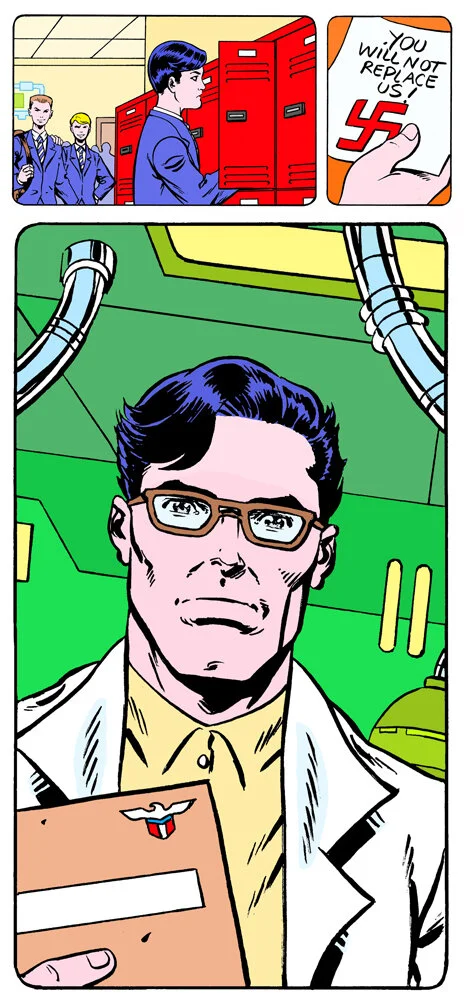
The hero at the heart of our story centers on a flawed protagonist forced to grow under the weight of his new power and immense responsibility.
A brilliant scientist and materially wealthy man back on Earth, Adam’s blind ambition coupled with a jaded, misanthropic view of humanity has belied a deeply painful past of loneliness and prejudice at his expense.
Much like Stephen Strange in Dr. Strange, Adam is a lost soul (albeit a successful one) before the course of his life is changed irrevocably. His growth is as much spiritual as it is heroic.
This essential piece of Adam’s psychology will ultimately help him transcend the boundaries of belief and culture, even as he embraces the idea evoked and emblazoned on the chest plate of his super suit — an idea given to him by his childhood mentor:
“Any one of us, big or small, can embody the infinite.”
- Rabbi Holland (Adam’s Mentor)
Ultimately, Adam’s relationship with his daughter, Samantha, is the catalyst for the most growth and change in our protagonist.

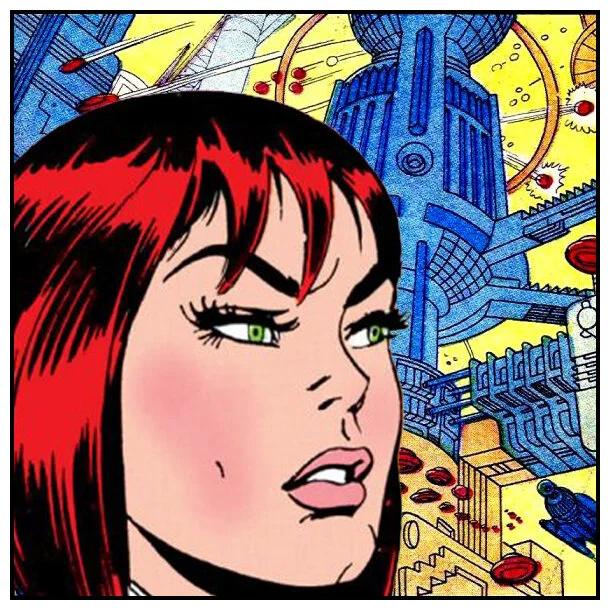
While Samantha “Sam” Avner worshiped Adam when she was younger, she’s become more jaded of her Dad’s obsession to crack light speed in recent years.
Like Adam’s relationship with his own father, Sam and Adam are estranged though they share an unspoken bond that, perhaps, is too painful to express — especially in light of Adam’s split with Sam’s mom, Rachel. Sam and Adam, in fact, are more alike than they realize.
Sam has become an incredibly independent and strong young woman in her teens — equal parts math nerd and daredevil.
She’ll step into her own as a heroine by the end of Season One as Adam’s isolation forces him to confront his absence as a father.

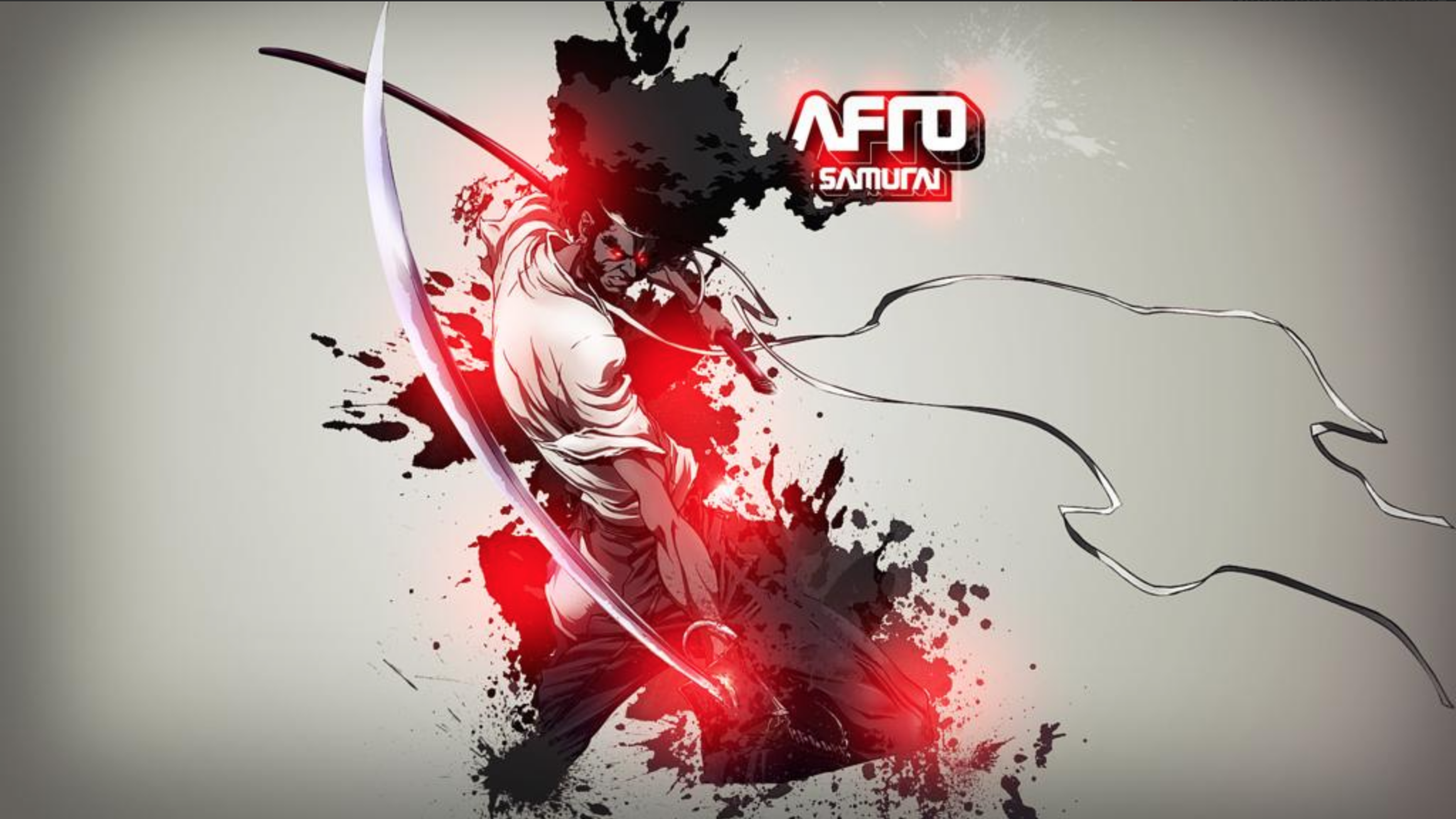
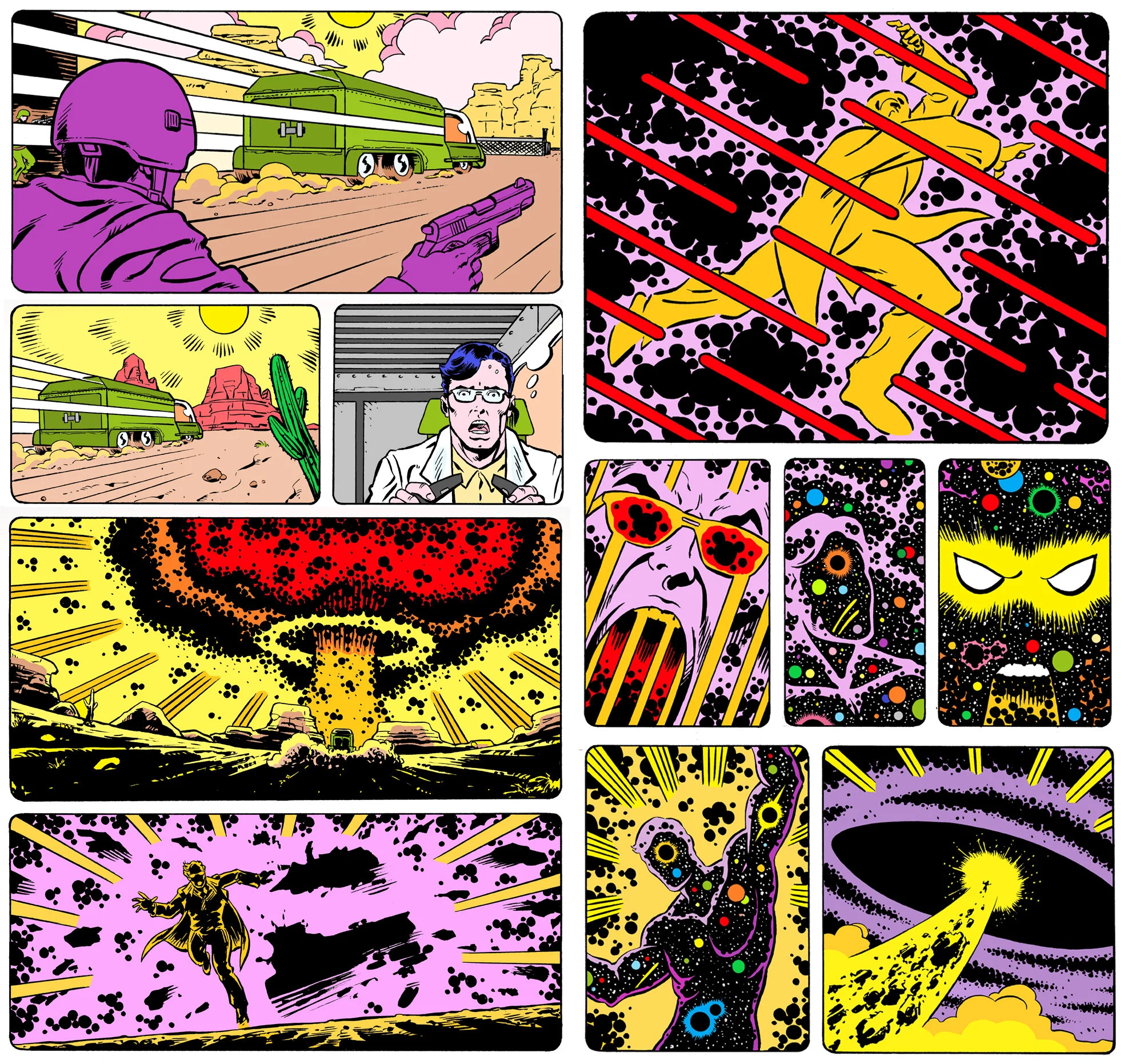
Chris Malgrain’s original comic book is an homage to the Bronze Age of Comics and is drawn in the style of Jack Kirby. The intention is to allow that “Kirby Krackle” to influence a style for animated television that both reflects a vintage flavor of the 1980’s but also showcases the best of modern-day anime and anime-influenced styles.
Takashi Okazaki’s Afro Samurai is an excellent reference for recent anime that bends the genre, while also showcasing a lone hero on a dangerous mission.
This darker, high-stakes tone can serve as a sophisticated texture for Adam’s interstellar odyssey.
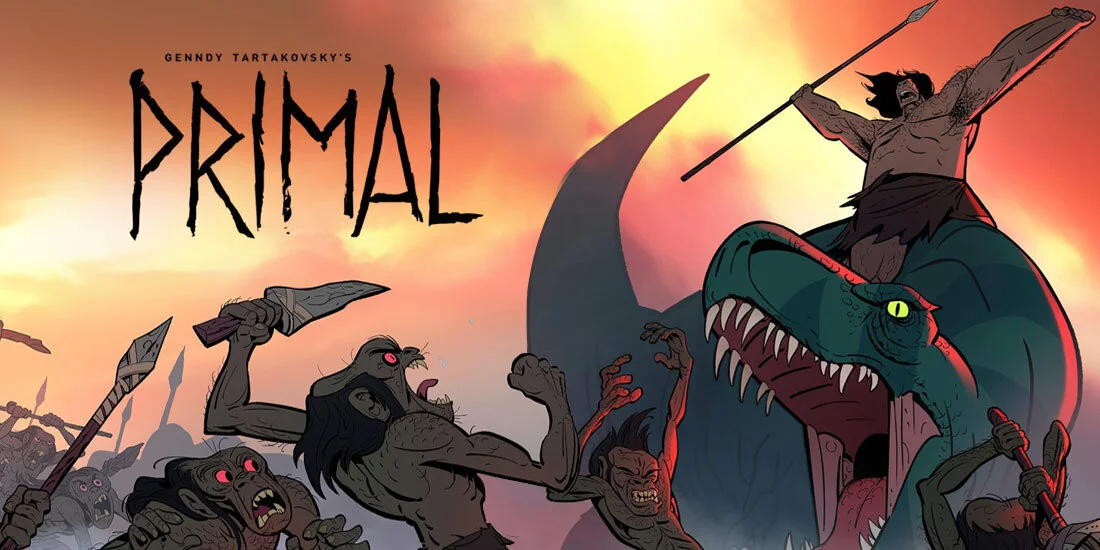
Genndy Tartakovksy's Primal is also worth a reference for it’s use of life-or-death stakes juxtaposed with the breadth and beauty of the natural world. The use of silence, especially, is noteworthy in its storytelling.
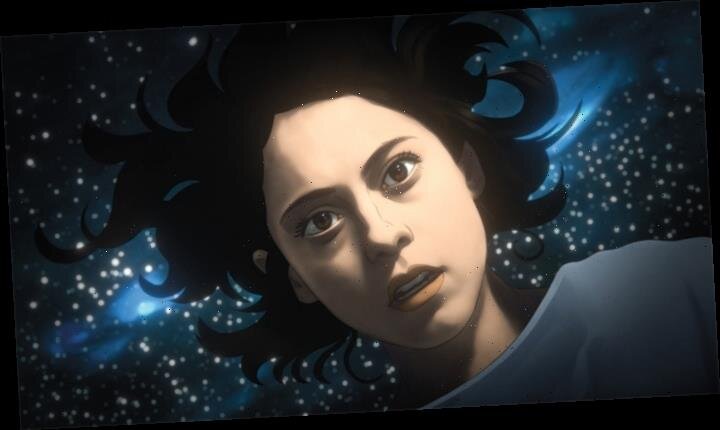
Finally, the existential, and reality-bending threads explored in Hisko Hulsing’s Undone set an intriguing precedent in animation for the exploration of consciousness, spiritual growth, and self-actualization — mature themes that would typically be seen in a drama or docu-series. The show’s father / daughter relationship is also poignant and relevant.
Adam Infinitum is meant to feel grounded and personal with science fiction and fantastical elements that elevate a very human, spiritual journey.

Similar to Star Trek: Voyager in which the series arc has the crew setting a course for Earth after being stranded in the Delta Quadrant, Adam’s mission to get home is the arc of our series. Having witnessed the potential genesis of World War III, his emotional journey to be reunited with Samantha makes his odyssey all the more urgent.
While he has no way of communicating with home, technology in the wreckage that made the trip with him (including his light speed engine and a modified space suit) has enough navigational capability for him (and us) to know that he’s tens of thousands of light years from his destination (traveling at 186,000 miles per second). The galaxy, itself, is about 200,000 light years across — so while it’s bad, it easily could have been worse.
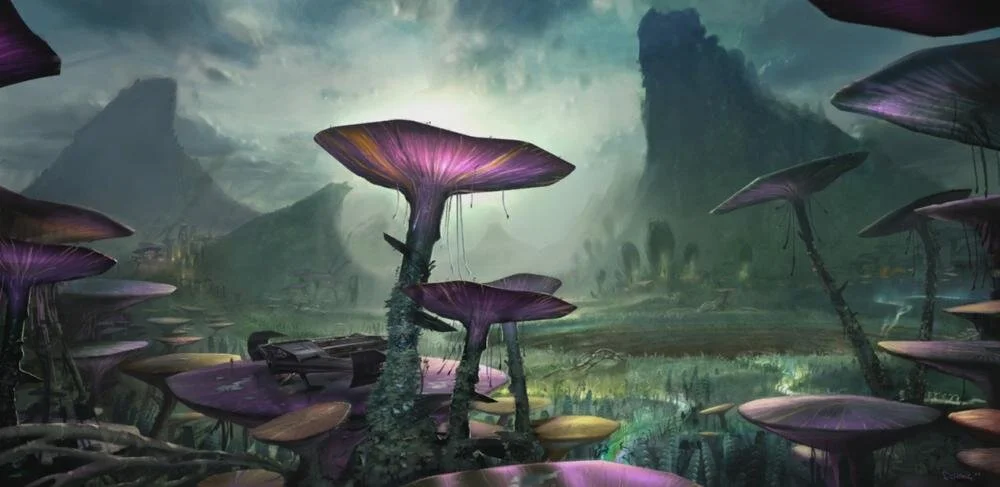
Still, he’ll have to figure out a way to accelerate his journey. And having to stop for food, sleep and shelter will inevitably incite conflict and story beats.
The franchise of the show will see him make first contact with alien life, meet allies and enemies, and discover wonders that will make him question the very nature of astrophysics and reality as we know it.
Though the treatment for Season One and the narrative of the original comic book diverge in several ways — including the addition of Samantha and Adam’s light speed technology isolated to a piece of technology — the first three (22 minute) episodes roughly cover the action of the comic book. This will give our hero a generous amount of time completely alone as we introduce the character, his past, and his isolation — both literally and spiritually. This is the Castaway portion of Season One.
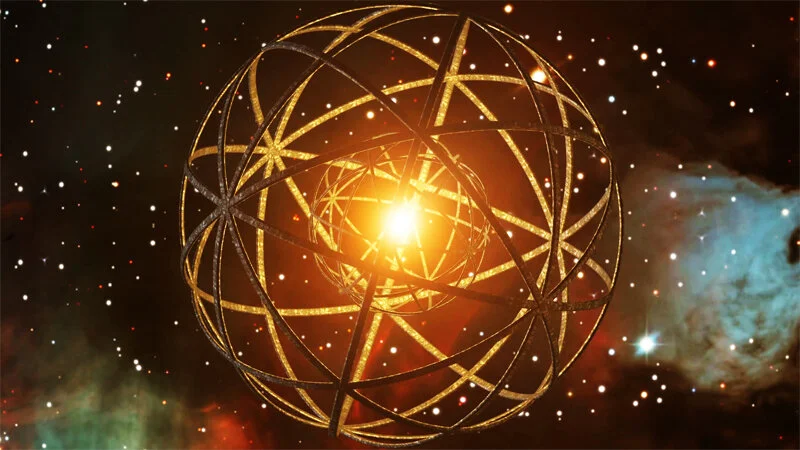
Episode four introduces an anomaly in space known as a DYSON SPHERE and Adam’s first contact with alien consciousness. Thought by many futurists to be the ultimate end-game for humanity, this massive artificial intelligence matrix not only surrounds an entire solar system, but also harnesses the energy of a star to power the mega-structure and its “meta-verse” inside.
Organic life here has been gone for eons as consciousness survives digitally (and eternally) in a vast simulation of the worlds that preceded it.

It’s here that he’ll gain the companionship of an onboard “virtual being” that will supplement the crude AI he has onboard from the wreckage. He’ll later refer to the upgrade as DYSON who via neuro-link will learn Adam’s language, become his travel companion and, at times, his foil.
Like The Mandalorian, Adam’s main objective will be interrupted as he encounters planetary conflict. Episodes five through ten will see his adventures with Dyson grow from a character-first perspective — as he grows, himself, into a galactic hero.
Through Season One, Samantha’s role becomes more and more prominent and Season Two sees their journeys finally converge.

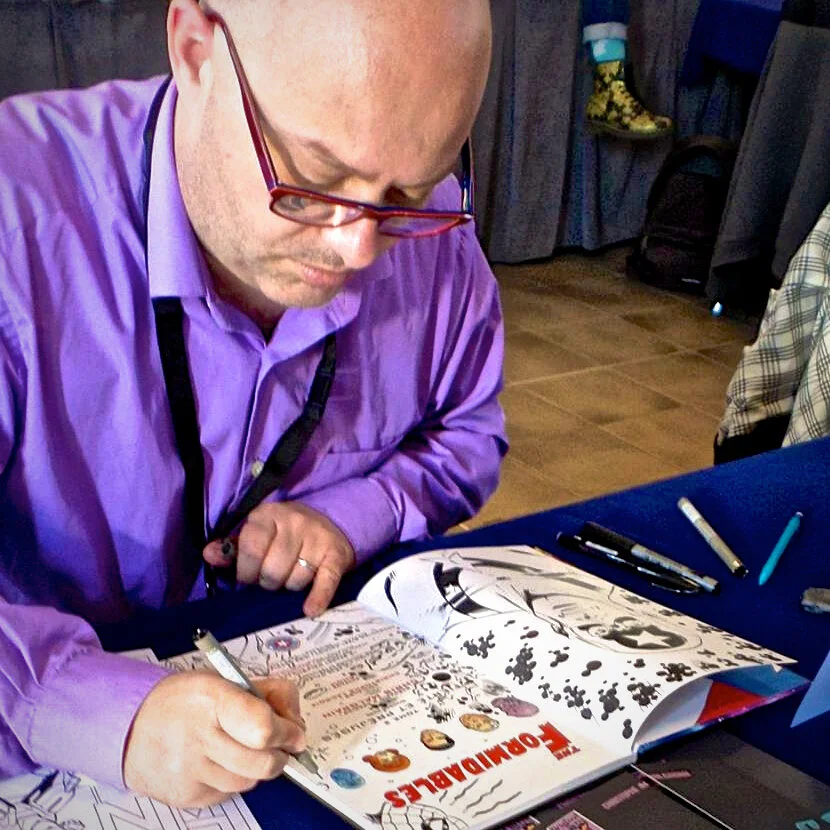
Chris Malgrain is an internationally recognized comic book artist living in France. He’s worked with comic legends Dave Gibbons, Dan Jurgens, and Stan Lee.
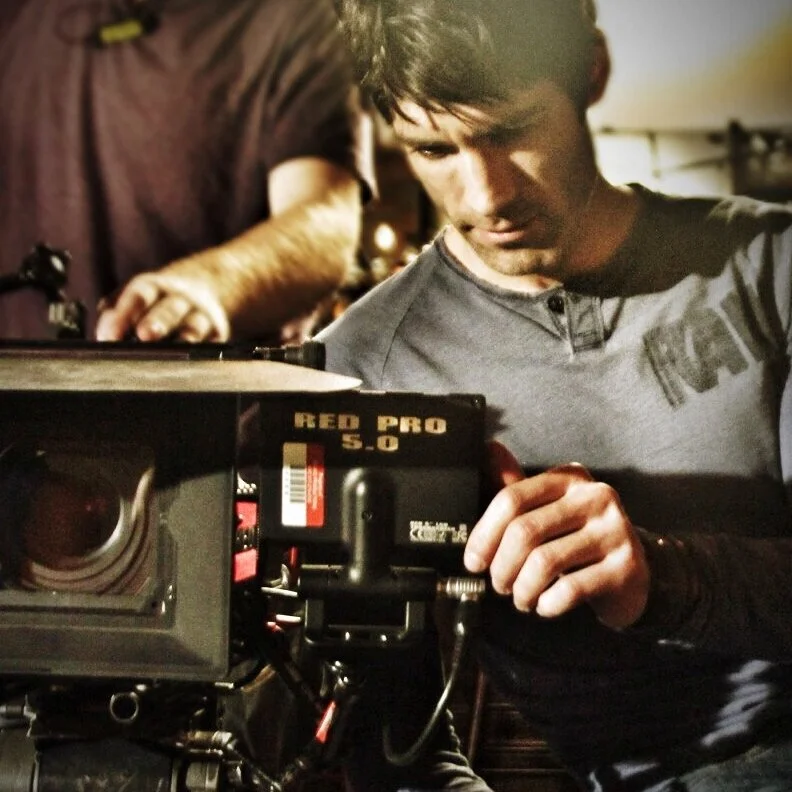
Brad Raider is an award-winning filmmaker and producer living in Los Angeles. In animation, he most recently produced an original sequence for his feature film, Kensho at the Bedfellow, that made use of 2D animation, stop motion and computer graphics. This short clip from that sequence (and inspired by The Powers of Ten), highlights the Universe’s scale in relation to sub-atomic particles within the human body:
AN ODYSSEY AMONG THE STARS WITH EARTH’S LAST HOPE
For more information on the project, please make contact here.